A Guide to Understanding Battery Specifications
Bearfast Bearquip • July 10, 2026
Choosing the right battery should be straightforward, but the labels on most batteries are packed with abbreviations, numbers and technical terms that mean very little to most buyers. Pick the wrong specification and you risk a battery that underperforms, fails prematurely or simply does not fit the application. For automotive users, tradespeople, agricultural operators and industrial businesses sourcing batteries in Tamworth, understanding what these specifications actually mean is the difference between a battery that does the job reliably and one that causes problems down the track. Whether you are replacing a car battery, powering farm machinery or stocking up for a workshop, this guide breaks down the key battery specifications in plain language.
Voltage
Voltage is the most fundamental battery specification and the starting point for any selection. Most automotive and equipment batteries operate at 12 volts, while some heavy-duty truck, agricultural and industrial applications use 24-volt systems achieved by connecting two 12-volt batteries in series.
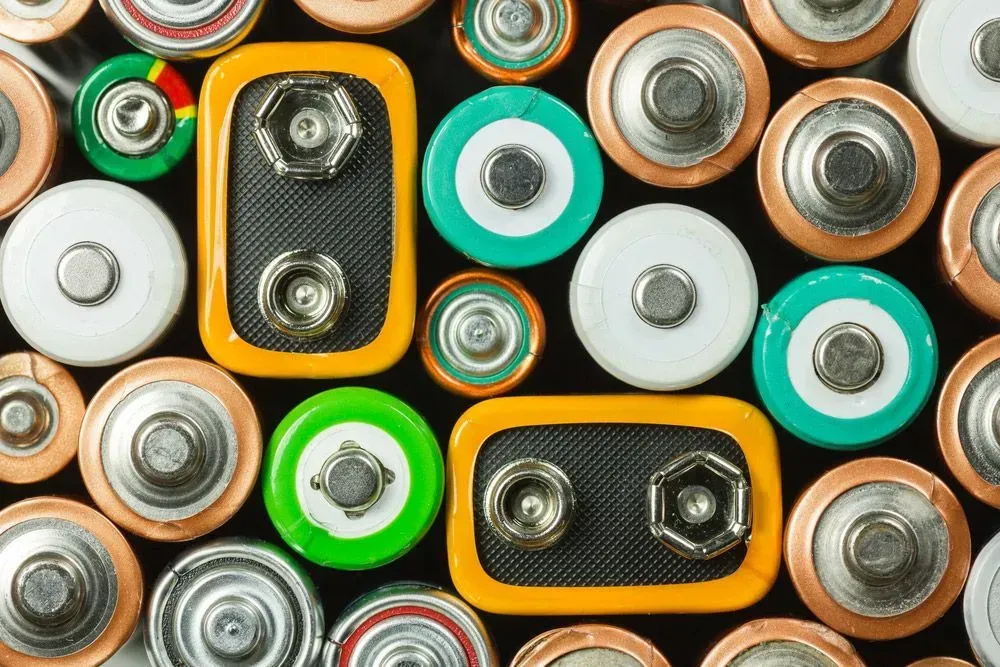
Standard consumer batteries — AA, AAA, C, D and 9V — operate at different voltages, with AA and AAA producing 1.5 volts each. Matching voltage to the application is non-negotiable. A mismatched voltage can result in insufficient power or component damage.
For anyone sourcing batteries in Tamworth across automotive, industrial or agricultural applications, confirming the correct voltage for the application is always the first step.
Cold Cranking Amps (CCA)
Cold cranking amps measures the battery's ability to deliver a high burst of current at cold temperatures — specifically, the number of amps a fully charged battery can deliver for 30 seconds at minus 18 degrees Celsius while maintaining a minimum voltage.
In practical terms, CCA determines whether your vehicle or equipment will start reliably in cold conditions. A battery with insufficient CCA may start fine in summer but struggle in winter, particularly in diesel engines which require significantly more cranking power than petrol equivalents.
For Tamworth and the wider New England region, where winter temperatures can drop significantly, CCA is a particularly relevant specification for rural, agricultural and fleet operators. When looking for a tool shop near you, always confirm the minimum CCA rating specified by the manufacturer before selecting a replacement.
Amp Hours (Ah)
Amp hours measure the total energy storage capacity of a battery — how long it can deliver a set current before it is discharged. A 100Ah battery can theoretically deliver 5 amps for 20 hours before reaching its discharge limit.
Ah capacity is particularly important for deep cycle batteries used in applications where the battery is regularly discharged and recharged, such as marine vessels, caravans, solar storage systems and agricultural equipment with high auxiliary loads. For standard automotive starting batteries, Ah is less critical than CCA, as the battery is only briefly discharged on startup and recharged almost immediately by the alternator.
For industrial supplies in Tamworth covering deep cycle battery applications, Ah capacity is one of the most important figures to compare between products.
Reserve Capacity (RC)
Reserve capacity is expressed in minutes and measures how long a fully charged battery can deliver a continuous 25-amp load before dropping below a minimum voltage. It represents the battery's ability to power essential systems if the charging system fails.
Higher reserve capacity provides greater protection against being stranded if a charging fault develops — a useful specification for vehicles and equipment operating in remote or regional locations where assistance may not be immediately available.
Battery Group Size
Battery group size refers to the physical dimensions of the battery and the position and configuration of its terminals. Selecting the correct group size ensures the battery fits the tray correctly, the terminals connect to existing cables without modification, and the hold-down hardware secures the battery properly.
A battery that does not fit correctly can vibrate excessively in service, accelerating internal damage and significantly reducing lifespan. The group size of the existing battery is the most reliable starting point when selecting a replacement.
A good industrial supply store in Tamworth will be able to cross-reference your existing battery's group size against available stock to find a compatible replacement quickly.
Battery Chemistry Types
Not all batteries use the same internal chemistry, and the type determines performance, maintenance requirements and suitability for different applications.
- Flooded lead-acid (FLA) is the traditional chemistry used in most standard automotive and equipment batteries. Cost-effective and reliable in standard applications, though some versions require periodic topping up with distilled water.
- Absorbent glass mat (AGM) batteries are sealed, spill-proof and capable of withstanding deeper discharge cycles than standard flooded batteries. Increasingly common in modern vehicles with stop-start technology and high electrical loads.
- Calcium batteries are sealed lead-acid batteries with reduced water loss and self-discharge, well suited to standard automotive applications with reliable charging systems.
- Lithium batteries offer the highest energy density and longest cycle life, charging faster and maintaining voltage more consistently through discharge. Higher upfront cost but a strong choice for power tools and portable equipment.
Matching Specifications to Your Application
A few practical principles help narrow down the right battery for common applications.
- For standard passenger vehicles with modern electronics, an AGM battery rated to the manufacturer's minimum CCA specification or above handles the demands of contemporary electrical systems well.
- For agricultural machinery, trucks and equipment operating across regional New South Wales, prioritising a CCA rating above the manufacturer minimum provides a useful performance margin for cold starts and high cranking demands.
- For deep cycle applications in caravans, boats and solar systems, prioritising Ah capacity and cycle life over CCA is the correct approach. Deep cycle AGM or lithium batteries are better suited to these applications than standard automotive batteries.
- For power tools and portable equipment, matching the battery chemistry and voltage to the tool platform is essential, as most modern cordless systems use proprietary battery formats.
For tradespeople and rural operators looking for a tool shop near them with knowledgeable staff, getting advice from an experienced supplier before purchasing avoids costly mismatches.
Find the Right Battery at Bearfast in Tamworth
Bearfast Bearquip is a one-stop
industrial supply store in Tamworth stocking
batteries from trusted brands including Century, Powercell and GP across automotive, equipment, agricultural and standard battery categories. The team is available seven days a week to help match the right battery specification to your vehicle, machinery or application. Whether you are a tradie looking for a tool shop near you, a farmer sourcing industrial supplies in Tamworth or a fleet operator managing multiple vehicles, visit the store at 50 Barnes Street, Taminda or
get in touch to discuss your battery requirements.